
TL;DR
- 29,7% minder gehaalde Wft-examens. Tussen 2019/20 en 2024/25 daalde het aantal van ongeveer 17.800 naar ongeveer 12.500. Dat is mijn eigen berekening uit zes CDFD-jaardocumenten.
- Acht van de negen modules. Die scoren lager dan vijf jaar geleden. Een nieuwkomer slaagt in ongeveer de helft van de gevallen, een zittende adviseur die verlengt in ongeveer tachtig procent.
- Vier jaar ouder in zes jaar. De gemiddelde leeftijd van een PE-examenkandidaat steeg met vier jaar. Ruim de helft van wie een PE-certificaat haalt is ouder dan 50.
- De generatie van 2040 is al geboren. De jaargangen die de opvolgers moeten leveren zijn 13,5 procent kleiner dan de laatste grote jaargangen rond 2000.
- 31.000 adviseurs bereiken pensioenleeftijd. Tussen nu en 2040 krimpt het vak in elk scenario, naar ongeveer 67.700 tot 80.700 adviseurs.
- Werving lost dit niet op. De knop die wel beweegt is klantwaarde per gediplomeerde adviseur, en daar ligt de AI-opdracht.
Zes losse documenten, één trendlijn
Deze week legde ik zes jaar CDFD-examendata naast elkaar. Niet de slagingspercentages die elk vakblad overneemt, maar het getal eronder: hoeveel initiële Wft-examens er daadwerkelijk gehaald worden. Dat zijn er 29,7 procent minder dan vijf jaar geleden.
Dat is geen schommeling van een jaar. De poort naar het vak wordt smaller, en dat gaat sneller dan ik had verwacht.
Het CDFD publiceert elk kwartaal keurig zijn statistieken: slagingspercentages per module, aantallen examens en adviesbevoegdheden. Alleen publiceert het per PE-jaar. Wie de trend over meerdere jaren wil zien moet dus zes losse documenten naast elkaar leggen en zelf rekenen. Ik ben die optelsom nergens tegengekomen, dus maakte ik hem zelf.
Er daalden twee dingen tegelijk. Het aantal afgenomen examens zakte met 17 procent, de slagingskans met 9,1 procentpunt. Vermenigvuldig die twee en je houdt 29,7 procent minder gehaalde examens over.
| Initiële Wft-examens | 2019/20 | 2024/25 | Verschil |
|---|---|---|---|
| Afgenomen examens | 29.933 | 24.850 | -17,0% |
| Gemiddeld slagingspercentage | 59,5% | 50,4% | -9,1 procentpunt |
| Daadwerkelijk gehaald | ongeveer 17.800 | ongeveer 12.500 | -29,7% |
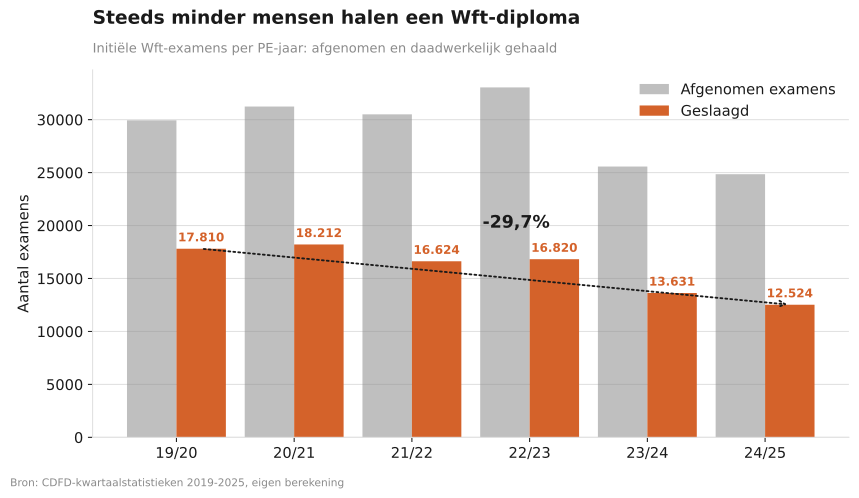
Acht van de negen modules scoren nu lager dan vijf jaar geleden. Het gaat dus niet om één vakgebied dat toevallig tegenzit, maar om de hele instroom.
De helft van de kandidaten haalt het niet
Wie een initieel examen doet, heeft ongeveer vijftig procent kans om te slagen. Wie een PE-examen doet om een bestaande bevoegdheid te verlengen, zit rond de tachtig procent. Dat verschil bestaat al zes jaar en lag vorig jaar op bijna dertig procentpunt.
Voor een deel is dat logisch. Een PE-examen toetst iemand die het vak dagelijks doet en zijn kennis bijwerkt, een initieel examen iemand die de hele stof voor het eerst leert. Wat ik opvallend vind, is hoe laag dat initiële percentage is en hoe hard het daalt. Ongeveer de helft van de mensen die de moeite neemt om examen te doen, haalt het niet. Bij Hypothecair krediet lag het slagingspercentage in 2024-2025 op 36,6 procent, bij Vermogen op 39,3 procent.
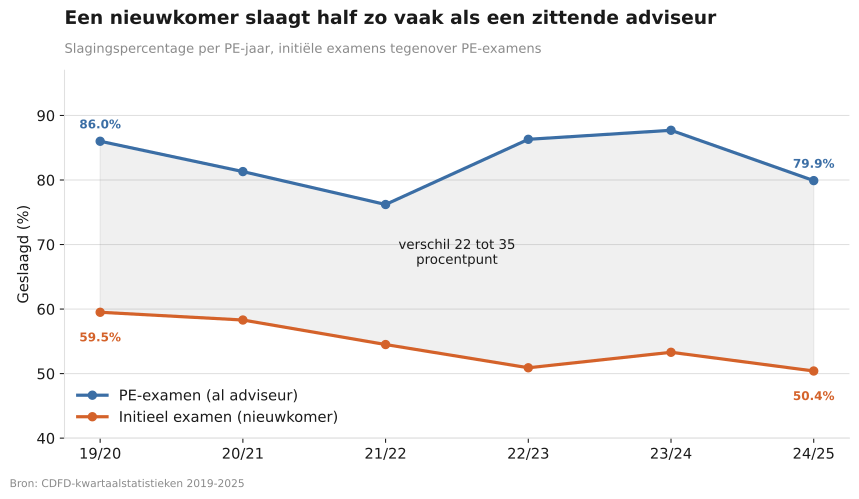
Dat zijn mensen die het vak in wilden en zich hebben ingeschreven. Ze vielen af bij de toets, niet bij de keuze.
Vier jaar ouder in zes jaar tijd
Het scherpste cijfer in dit dossier komt van het CDFD zelf. De organisatie vergeleek voor het eerst de leeftijden van examenkandidaten tussen de PE-perioden 2017-2019 en 2022-2025. De gemiddelde leeftijd van wie een PE-examen aflegt, steeg in zes jaar met vier jaar.
De gemiddelde PE-kandidaat zit inmiddels tegen de 50. Wie het PE Pensioenadvies haalt, is gemiddeld 51 jaar, tegen 47 in de vorige periode. Zet daar een referentie naast. De gemiddelde Nederlander werd tussen 2018 en 2024 twee maanden ouder, van 42,4 naar 42,6 jaar. De gemiddelde werkende Nederlander kreeg er tussen 1990 en 2023 zeven jaar bij, over drieëndertig jaar tijd.
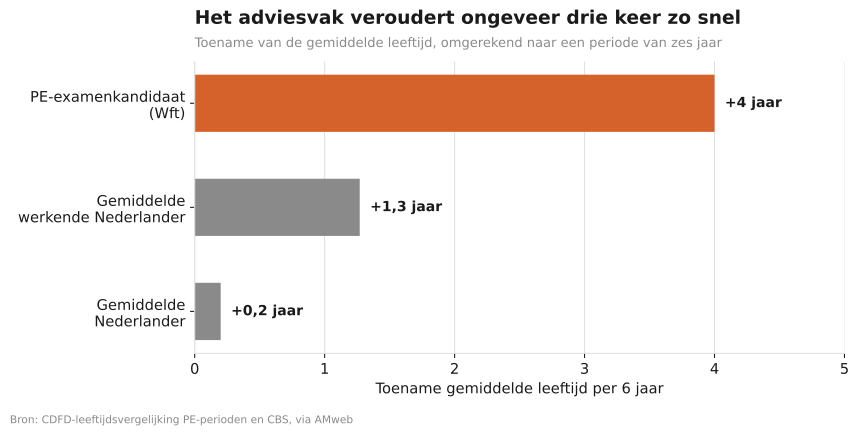
Vier jaar in zes tegenover ruim één jaar in zes. Dat is ongeveer drie keer zo snel. Een beroepsgroep die zo snel ouder wordt, krijgt er nauwelijks jonge mensen bij. De groep schuift met zichzelf mee op.
Hier zou je verwachten dat ik ga schrijven dat de branche vergrijst. Dat klopt niet, en dat is belangrijk voordat je dit verhaal doorvertelt. AMweb publiceerde op 10 juli de leeftijdsopbouw van de financiële dienstverlening. Van de ongeveer 265.000 werkenden is 21 procent 55 jaar of ouder. Het landelijke gemiddelde ligt op 23,4 procent. De sector is dus jonger dan de Nederlandse arbeidsmarkt.
Zoom je in op het adviesvak, dan kantelt het beeld. Opleider Lindenhaeghe stelde vast dat ruim de helft van wie zijn driejaarlijkse PE-certificaat haalt ouder is dan 50, dat ongeveer een derde ouder is dan 55 en de komende jaren vertrekt, en dat slechts 12 procent jonger is dan 35.
De sector als geheel vergrijst dus niet. Het gekwalificeerde deel van het werk trekt te weinig opvolgers, en dat vraagt om iets anders dan een brede wervingscampagne.
De optelsom voor 2040 kun je nu al maken
Iedereen die in 2040 achttien jaar of ouder is, is uiterlijk in 2022 geboren. De beroepsbevolking van 2040 is dus geen voorspelling. Het is een optelsom die je vandaag al kunt maken.
Ik haalde de geboortereeks van het CBS op, van 1900 tot nu. De jaargang 2003 was de laatste die de 200.000 haalde, precies 200.000 kinderen. De jaargang 2023 telde er 164.000, de kleinste sinds 1970. Sinds 2013 zat Nederland in elf van de dertien jaren onder de 175.000.
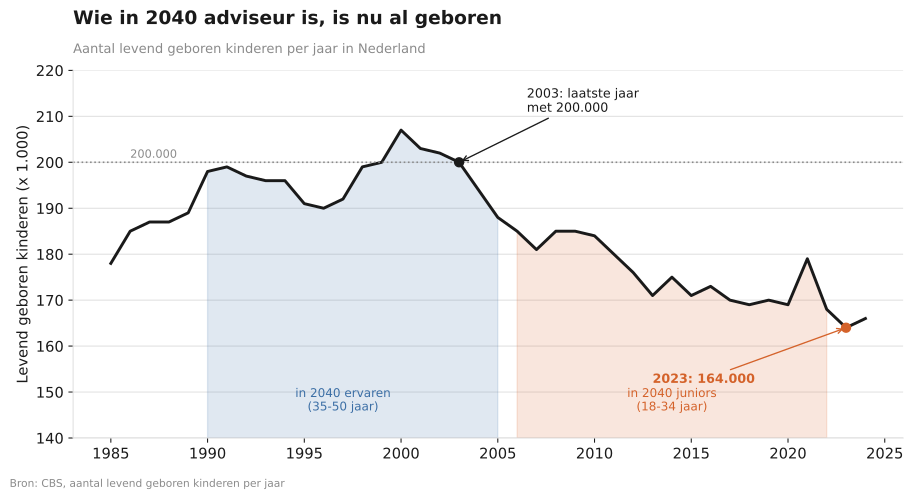
Wie in 2040 tussen de 35 en 50 is, en dus ervaren genoeg voor complexe adviezen, komt uit de jaargangen 1990 tot 2005: gemiddeld 197.000 geboorten per jaar. De opvolgers daarachter, in 2040 tussen de 18 en 34, komen uit de jaargangen 2006 tot 2022, gemiddeld 175.900 per jaar.
Ruim tien procent kleiner. Vergelijk je de laatste grote jaargangen met die van nu, dan is het verschil 13,5 procent. Dat percentage ligt vast. Je kunt er beleid op maken, campagnes tegenaan gooien of stages voor bedenken, maar je kunt het niet meer veranderen. Die kinderen zijn niet geboren.
En daar bovenop komt de tweede daling: van die kleinere groep haalt een steeds kleiner deel het examen.
Volg mij op LinkedIn
Wat dat doet met het aantal adviseurs
Een valkuil waar ik zelf bijna instapte: die 12.500 gehaalde examens zijn geen 12.500 nieuwe adviseurs. Een beroepskwalificatie vraagt een tot drie modules. Een hypotheekadviseur haalt Basis, Vermogen én Hypothecair krediet. En een deel van de initiële examens wordt gedaan door bestaande adviseurs die er een bevoegdheid bij nemen.
De beste maat voor nieuwe mensen is daarom het examen Wft Basis, want daar begint bijna iedereen. Dat haalden in 2024-2025 ongeveer 5.600 mensen, tegen 7.300 vijf jaar eerder: min 24 procent. Deel de 12.500 gehaalde examens door die 5.600 instromers en je komt op 2,2 examens per persoon, precies wat het stelsel vraagt.
Daarmee kon ik een cohortmodel bouwen. Op 31 maart 2025 telde het CDFD 83.922 adviseurs met minstens één beroepskwalificatie. Ik laat die groep elk jaar ouder worden, haal eruit wie de pensioenleeftijd bereikt of tussentijds vertrekt, en tel de instroom erbij op. Nieuwe adviseurs komen in het model op hun 34e binnen, want de CDFD-startleeftijden liggen tussen de 32 en 38.
Tot 2040 bereiken ongeveer 31.000 adviseurs de pensioenleeftijd, ruim een derde van de groep. De piek van die golf ligt vóór 2036. Tot dan gaan er gemiddeld zo'n 2.200 per jaar uit via pensioen alleen. Met tussentijds vertrek erbij verlaten nu ruim 4.500 mensen per jaar het vak.
Daartegenover staat een instroom die begint rond de 4.200 per jaar en daalt. In het gunstigste scenario stopt de examendaling vandaag en blijft alleen de demografische krimp over. In het middenpad dooft de daling langzaam uit. In het ongunstigste geval zet ze nog tien jaar door.
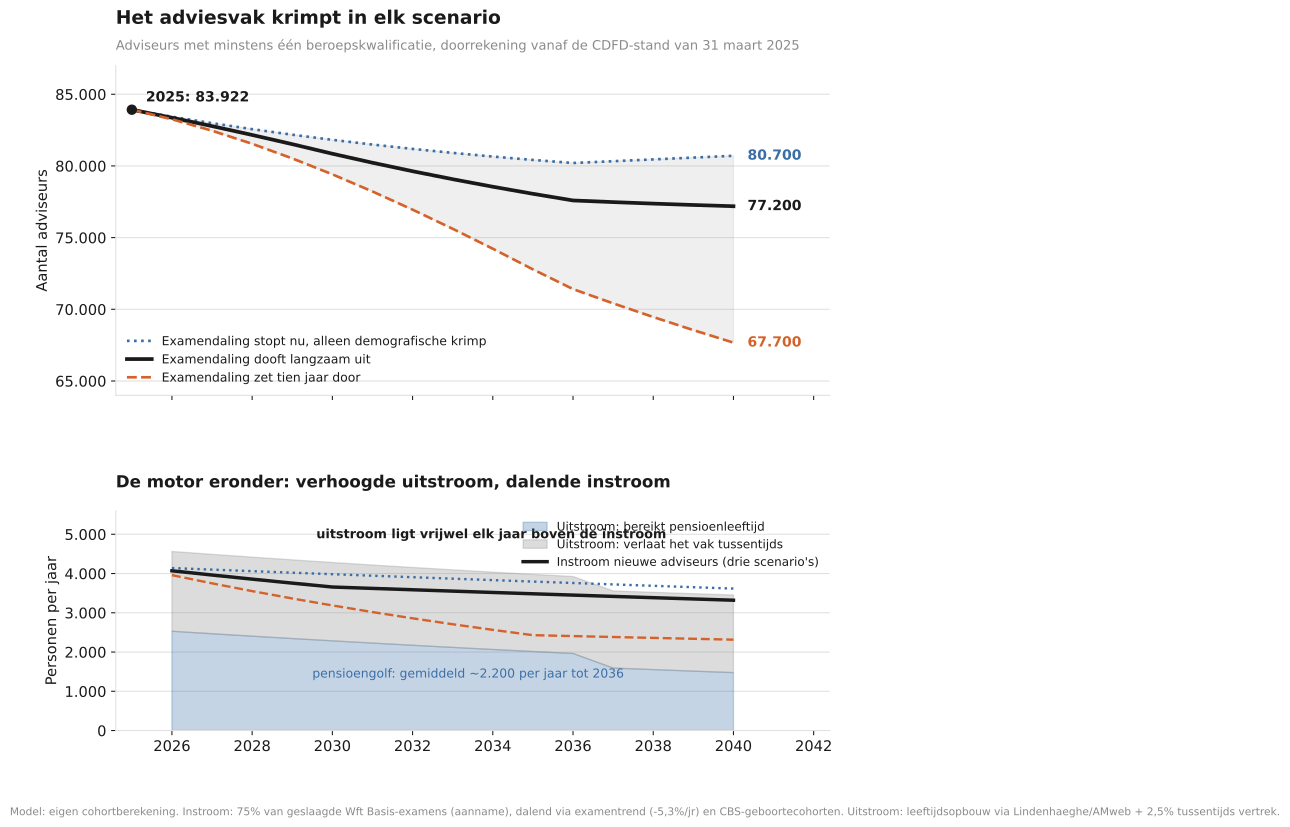
Het tekort begint niet in 2040. Het begint nu, want de instroom ligt vandaag al onder de uitstroom, in elk van de drie scenario's. De band loopt in 2040 van ongeveer 67.700 tot 80.700 adviseurs, met het middenpad rond de 77.200. Alleen het gunstigste scenario stabiliseert, en pas nadat de pensioengolf rond 2036 is uitgewerkt.
In 2030 schelen de scenario's elkaar nog geen 2.500 adviseurs. In 2040 ruim 13.000. Het probleem is de eerste jaren nauwelijks zichtbaar, en juist daarom makkelijk te negeren.
Wat ik niet ga beweren
Beginnende hypotheekadviseurs worden juist jonger. Hun gemiddelde startleeftijd daalde van 36 naar 32 jaar, de sterkste daling van alle modules. Er komt wel degelijk jong bloed binnen, alleen niet genoeg en niet overal.
Het probleem zit net zo goed bij de uitstroom. Bij ASR lag het verloop onder dertigminners in 2023 op 14,8 procent, tegen 8,1 procent bij oudere medewerkers. Wie binnenkomt, vertrekt sneller. Als je alleen naar de examenpoort kijkt, mis je de helft van het lek.
Ook het projectiemodel hangt op twee aannames die ik niet hard kan maken: dat driekwart van wie Basis haalt ook echt adviseur wordt, en dat jaarlijks 2,5 procent het vak tussentijds verlaat. Draai aan die knoppen en het niveau schuift mee. De richting niet: zolang er minder mensen binnenkomen dan er vertrekken, krimpt het vak. De pensioenuitstroom zelf staat wel stevig, want die volgt uit de leeftijdsopbouw van de mensen die er nu al zijn.
De trendlijn is mijn berekening, niet die van het CDFD. Het CDFD publiceert de losse jaren. De lijn eroverheen heb ik zelf getrokken. Die nuances maken het beeld niet vrolijker, wel preciezer.
Meer handen komen er niet, meer capaciteit wel
Er zit een aanname onder dit soort cijfers die ik zelf ook lang heb gemaakt: dat dit een wervingsvraagstuk is. Dat denk ik niet meer. Werving verdeelt schaarste opnieuw, het maakt de groep niet groter. Als jij de adviseur wegkaapt bij het kantoor verderop, is er landelijk niets opgelost. Bij een tekort dat al vastligt in de geboortecijfers, wordt elkaar overbieden vooral een kostenpost.
De knop die nog wel beweegt, is hoeveel klantwaarde één gekwalificeerde adviseur kan leveren. Daar kan AI het verschil maken. Niet door de adviseur te vervangen, maar door het werk eromheen weg te halen: dossiers voorbereiden, polissen vergelijken, voorwaarden uitpluizen, een adviesrapport opstellen dat de adviseur nog toetst en ondertekent, en signaleren dat een klant iets heeft meegemaakt dat om een gesprek vraagt.
De AFM noemt het een diplomaplicht: wie klanten adviseert heeft een geldig diploma nodig voor de producten waarover hij adviseert, en moet dat met PE-examens geldig houden. Zonder geldige beroepskwalificatie mag je niet adviseren. Die eis ligt bij een mens, niet bij een systeem. Dat is precies het punt dat ik eerder maakte in je vergunning is je bestaansrecht: naarmate AI advieswerk goedkoper maakt, wordt de vergunning zelf het schaarse goed.
Alleen zit daar een addertje onder het gras. Als AI het juniorwerk overneemt, waar leert de junior dan nog het vak? Dossiers voorbereiden en meelopen met een senior is niet alleen productie, dat is ook de opleiding. Haal je dat weg, dan houd je een generatie over die het examen wel haalt maar het gevoel voor het vak nooit ontwikkelt. Dat risico beschreef ik eerder als never-skilling, en in een branche met te weinig opvolgers is het dubbel gevaarlijk.
Wat ik zou doen
Begin niet bij de tooling. Begin bij de telling.
- Tel je eigen uitstroom. Kijk hoeveel van je adviseurs ouder is dan 55.
- Reken die uitstroom om naar capaciteit. Hoeveel advies-uren verlies je tussen nu en 2035?
- Zet daar je realistische instroom naast. Houd rekening met kleinere cohorten en een smallere examenpoort.
- Maak het resterende gat je AI-opdracht. Niet in vage ambities, maar in uren per week per adviseur.
- Ontwerp hoe juniors nog het vak leren. Juist omdat AI het oefenmateriaal kan weghalen.
De jaargang 2003 telde 200.000 kinderen, de jaargang 2023 telde er 164.000. Die 36.000 komen er niet meer bij.
Iedereen die in 2040 in jouw kantoor werkt, loopt vandaag al ergens rond.
Bronnen
* Kwartaal- en jaarstatistieken Wft-examens, waaruit ik de reeks 2019-2025 heb samengesteld: cdfd.nl (opent in nieuw venster) * Leeftijdsopbouw van de financiële dienstverlening in het eerste kwartaal van 2026: amweb.nl (opent in nieuw venster) * De CDFD-leeftijdsvergelijking tussen de PE-perioden en de reacties uit de branche: amweb.nl (opent in nieuw venster) * De diplomaplicht voor adviserende klantmedewerkers en de PE-verplichting: afm.nl (opent in nieuw venster) * Aantal levend geboren kinderen per jaar vanaf 1900: cbs.nl (opent in nieuw venster)