
Adviser shortage: the generation of 2040 is already born
29.7% fewer passed Wft exams in five years, a rapidly ageing advisory profession and smaller birth cohorts. What that means for capacity in 2040.
I regularly share insights on AI, strategy and the choices organisations need to make now to stay relevant.
29.7% fewer passed Wft exams in five years, a rapidly ageing advisory profession and smaller birth cohorts. What that means for capacity in 2040.
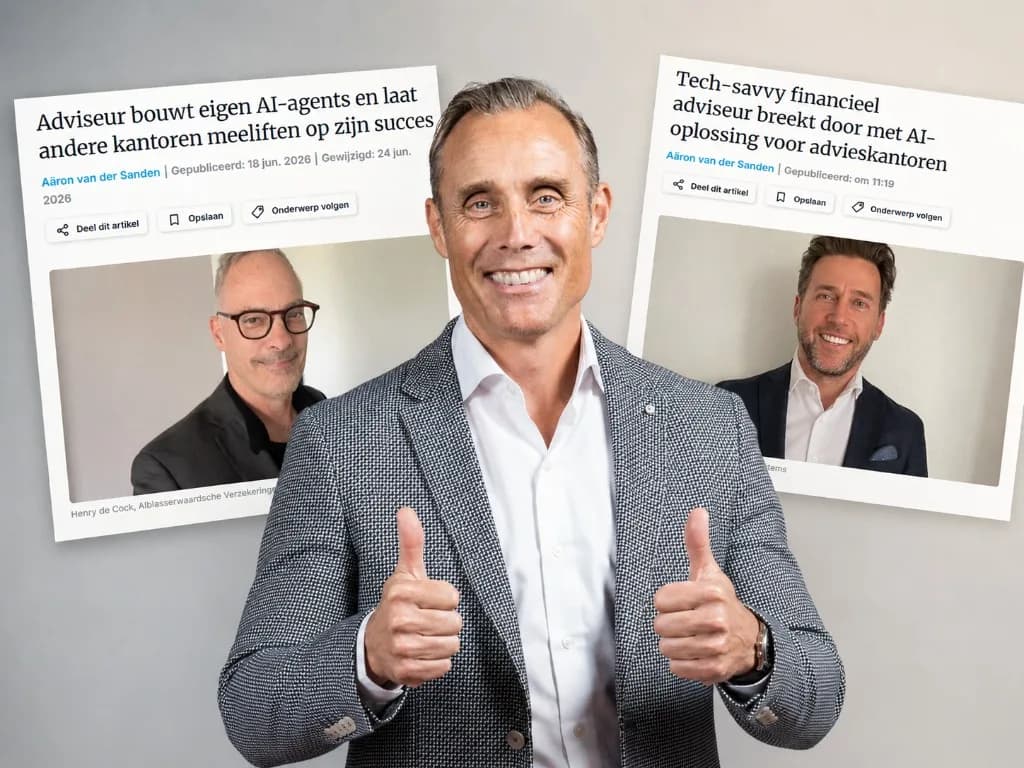
Two brokers are building AI software their peers have waited for. Why insurance software competition now comes from vendors' own customers.
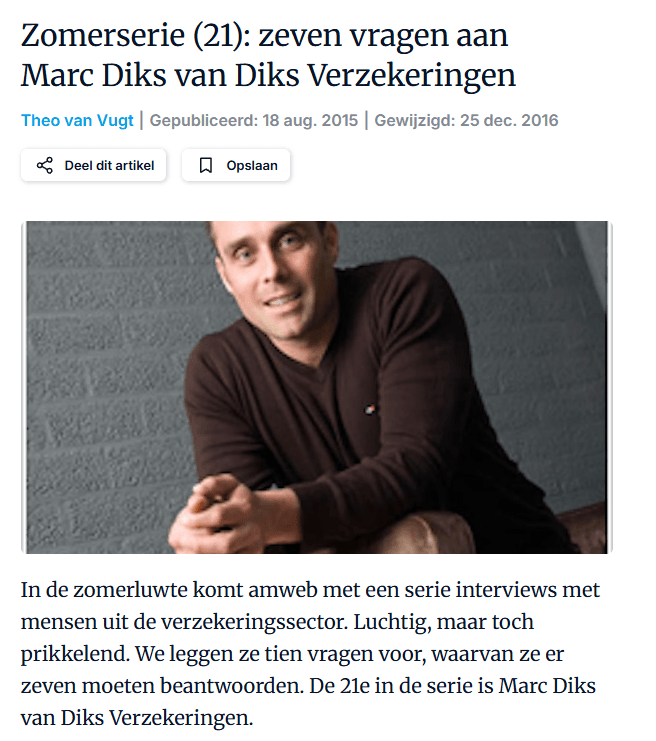
In 2015 I said the profession had become less accessible because of diploma requirements. Eleven years later, CDFD data backs that up while my blockchain prediction missed completely.

Is AI damage covered by your professional indemnity insurance? I searched 9 Dutch policies: AI is mentioned nowhere. What that means and what to arrange now.

AI will soon advise better than you, but brokering requires a license. Duty of care stays with you — that's the broker's right to exist.

60% of mid-sized insurers don't see AI as important to their revenue model. Why that's a blind spot, and what the six EIOPA principles do about it.

95% of AI pilots deliver nothing. The 5% that do earn money choose differently: buy first, target the back office, and redesign the process.

Saved time feels like a return, but does not automatically reach the accounts. Four questions help you measure AI ROI honestly in euros.

Do you know what your organisation spent on AI this month? Visibility, allocation and control make fragmented AI costs manageable.